
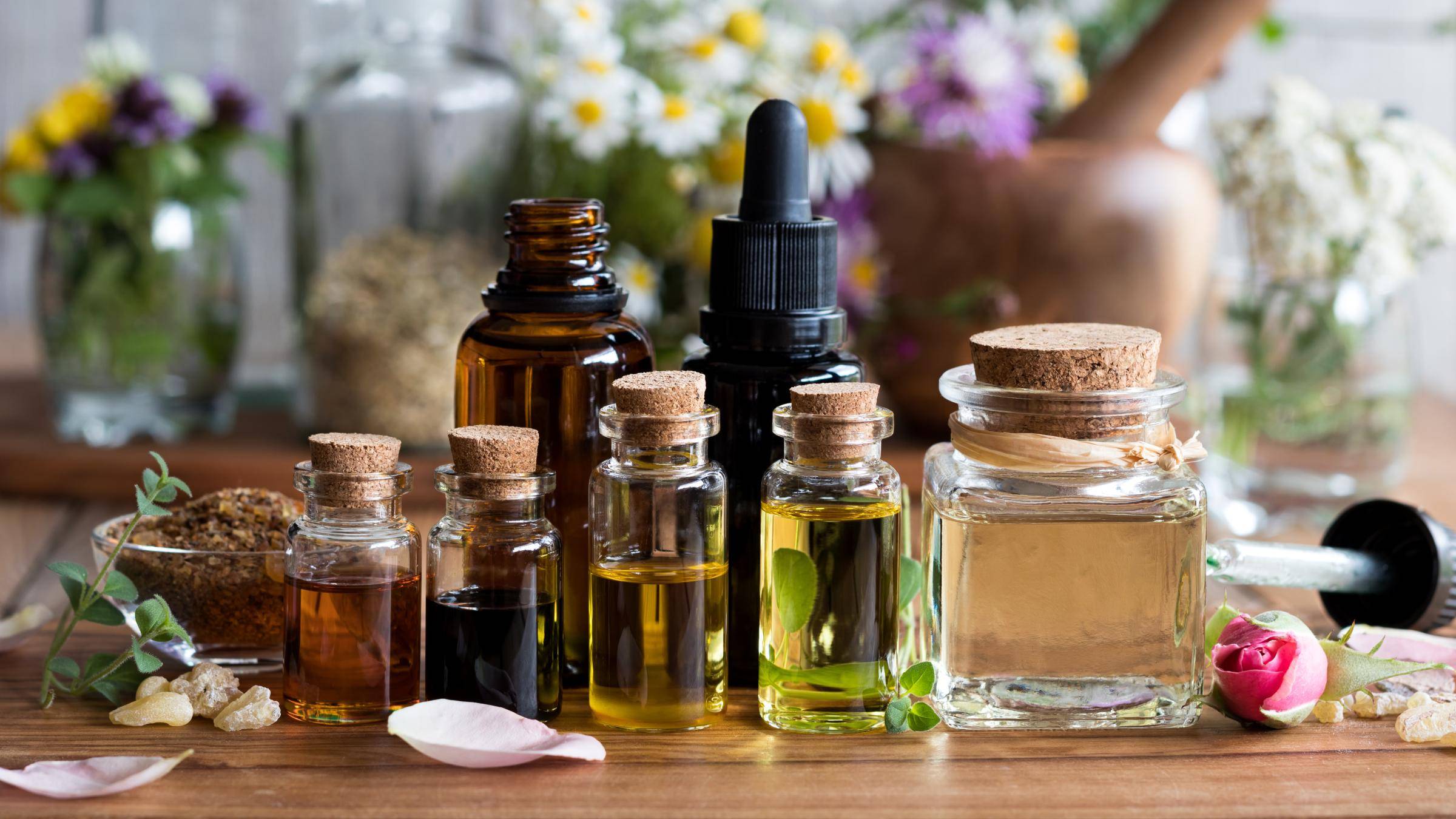
Essential oils have captured the attention of wellness enthusiasts and holistic practitioners alike, celebrated for their profound effects on both the body and mind. Derived from plants, these concentrated extracts are believed to possess therapeutic properties that can enhance physical health, emotional well-being, and even spiritual balance.
The Origins of Essential Oils
The use of essential oils dates back thousands of years, eeterlikud õlid with ancient civilizations such as the Egyptians, Greeks, and Chinese incorporating them into their medical practices, religious rituals, and beauty routines. These oils are extracted through various methods, including steam distillation and cold pressing, ensuring that the essence of the plant is captured in a potent form. Each oil carries its unique profile of constituents, giving it distinct aromas and effects.
Therapeutic Benefits
The therapeutic benefits of essential oils are vast and varied. For instance, lavender oil is renowned for its calming properties, often used to alleviate stress and promote better sleep. Eucalyptus oil, with its refreshing scent, is commonly utilized for respiratory health, helping to clear sinuses and ease breathing. Similarly, tea tree oil is celebrated for its antimicrobial properties, making it a popular choice for treating skin issues and infections.
Research has increasingly supported the claims surrounding these oils. Studies have shown that certain essential oils can reduce anxiety, enhance mood, and even improve cognitive function. The inhalation of specific scents can trigger the brain’s limbic system, which is responsible for emotion and memory, linking the fragrance to psychological responses.
Application Methods
Essential oils can be utilized in various ways, depending on their intended use. Aromatherapy is one of the most common methods, where oils are diffused into the air or inhaled directly to promote emotional and physical health. Topical application is another popular approach, where oils are diluted with a carrier oil and applied to the skin, allowing for localized treatment of issues such as inflammation or muscle pain. However, it’s crucial to use oils safely; some oils can cause irritation or allergic reactions if applied undiluted.
Sustainability and Ethical Considerations
As the popularity of essential oils continues to grow, so do concerns regarding sustainability and ethical sourcing. Overharvesting and unsustainable farming practices can threaten the very plants that produce these valuable oils. Consumers are encouraged to seek out brands that prioritize eco-friendly practices and fair trade sourcing, ensuring that their use of essential oils supports both the environment and local communities.
Conclusion
Essential oils embody the essence of nature, offering a powerful and holistic approach to wellness. Whether used for physical ailments, emotional support, or spiritual practices, these oils hold a unique place in both ancient traditions and modern therapies. As we continue to explore their benefits, it’s essential to approach their use with knowledge and respect, honoring the plants from which they originate and the wisdom of those who have utilized them for centuries. By doing so, we can fully embrace the power of nature’s essence in our daily lives.